

22 January 2025
Product news
What are glycerites?
Glycerites are liquid herbal formulations, like tinctures, that we make via a process of maceration (leaving plant material in a substance over a period of time for the constituents to be extracted).
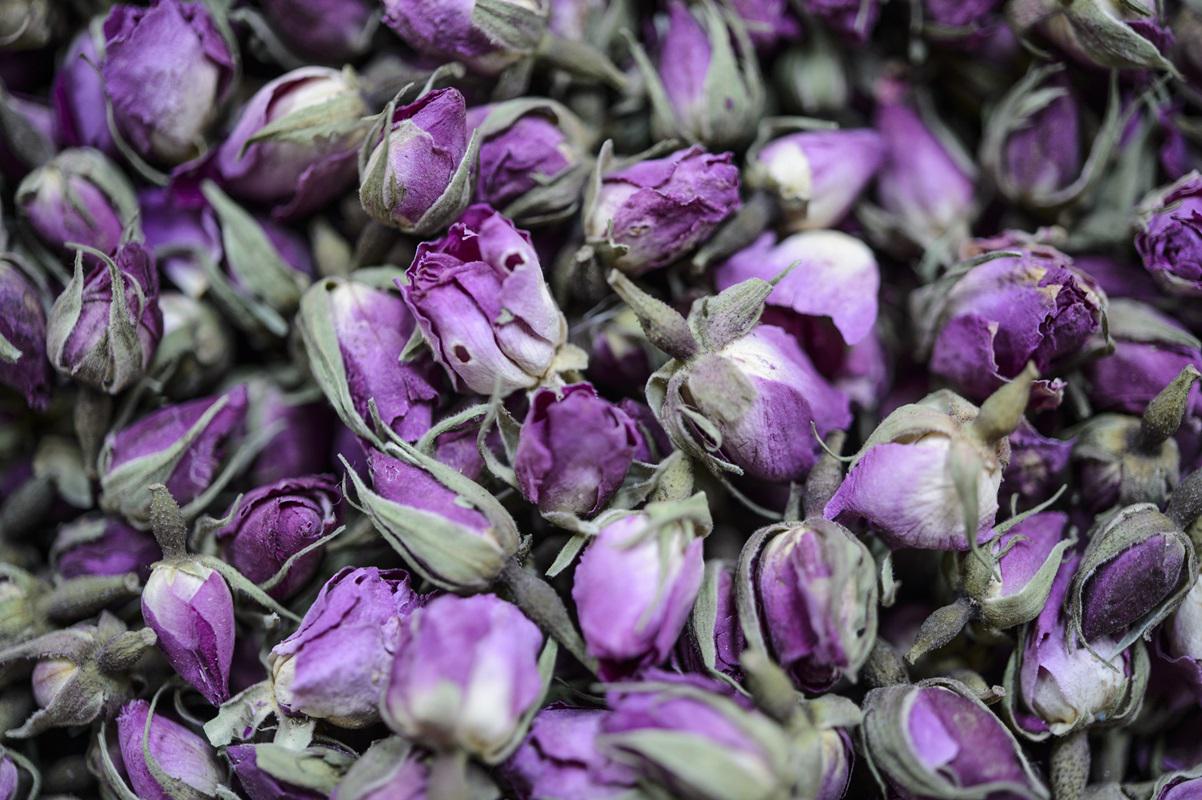
Unlike tinctures, which are made using alcohol, glycerites are made using glycerine. These alternative preparations are favoured for their palatability, owing to their sweetness, and accessibility, being alcohol free.
What is glycerine?
Glycerine is a commercial term for products consisting of >95% glycerol. It is colourless, odourless, viscous, and very sweet — hence the Greek origins of its naming, glykys, meaning sweet.1 Whilst it is sweet, glycerine is processed by the body via different metabolic pathways to sugar and has a low glycaemic index, not causing a spike in blood glucose levels. Glycerine is made synthetically as a by-product of fuel, candle and soap industries. It is also endogenously made by animals and plants and can be derived from plant oils such as palm, soy, coconut or, as we use, organic rapeseed oil.2 To extract the glycerine, the oil undergoes hydrolysis, a process involving high temperature, high pressure and water to split the oil to produce fatty acids and the desired glycerine.
While used in the herbal industry to make glycerites, glycerine also has extensive use across many other industries. In the pharmaceutical industry, glycerine is used in cough medicines and gel supplements; in cosmetics and skincare it is valued for it humectant qualities, retaining moisture, and used in soaps, lotions and creams; in the automotive industry it is used in grease as a lubricant; in the textiles industry it is used to soften yarn and fabric; in the food industry it is used for sweetness and texture in liqueurs and baked products; and there are many more!
Why take herbal medicine as a glycerite?
Glycerites are popular with herbalists as a means of prescribing herbal medicine because they are accessible. As glycerites are alcohol free, they are appropriate for pregnant women, children, people of Muslim faith, and for those wishing to avoid alcohol for health reasons.1,3 Owing to their sweetness, glycerites also offer a much more palatable remedy for children (and adults alike). Glycerites are a valuable means of extracting and preserving many of the constituents in medicinal plants responsible for their medicinal virtues. These constituents especially include mucilage — present in marshmallow, mullein and plantain; tannins — these are high in plants in the Rosaceae family, such as Rose, Hawthorn, Raspberry leaf, Lady’s Mantle; and flavonoids — including Nettle, Yarrow and Chamomile.1,2,3
Not only can glycerites be used as an alternative to tinctures, or a sugar-free syrup, glycerites are often used by herbalists to make tonics and lozenges, or creams. Used topically, glycerites are emollients, moistening to the skin — hence their use in the cosmetics industry.1,4 Glycerites are subsequently an excellent means to deliver the properties of the extracted herb into soaps, creams or lotion to be applied on the skin. Medicinally, this could be for a vulnerary (wound healing), haemolytic (bruise healing), or for pain-relieving effect, for example. Cosmetically, this could be to enrich skincare products with tonifying, anti-inflammatory, and nutritive qualities whilst imbuing them too with glycerine’s intrinsic water-retentive property, softening and hydrating skin. The sweetness of glycerites also lends them well in food products, to add unique herbal flavours in the making of syrups, liqueurs, and baked goods.
Glycerite preparation and composition
Glycerine is a very effective solvent, extracting a good constituent range, especially those hydrophilic in nature. Our standard solvent for our glycerites is a minimum of 75% glycerine with the addition of water, to balance glycerine viscosity with shelf life and stability.
Glycerine works especially well with fresh plants, due to its affinity for water, it excels at preserving the constituents of fresh herbs. We make a number of glycerite products using plants grown in our herb field here in Somerset, including Lemon Balm and Marshmallow. We also use dried herbs sourced from our organic supplier network around the world to make glycerites, including Liquorice, Rose and Siberian Ginseng.
Our glycerites are made to order and are available from both the fresh and dried herbs that we stock. All our glycerites are organoleptically assessed by a qualified Medical Herbalist, with further testing available upon request from an external laboratory. All the raw materials used in our glycerites are fully traceable and organic.
A further benefit to glycerites is that they are also easier to transport, not posing the same hazards and associated restrictions as alcoholic tinctures.
To discuss bespoke glycerite formulation projects please contact our Sales Team who’ll be happy to help. Search for 'Glycerite' in our Products & Price List to view stock availability.
Read about our customer 'Laz The Plant Scientist' who uses our glycerites in her herbal remedies, here.
References
- Rose, N. (2022). Making Herbal Medicine with Glycerine – Solidarity Apothecary. Solidarityapothecary.org. https://solidarityapothecary.org/courses/glycerine/
- Pole, S. (2023, January 25). How to make a glycerite. Earthsong Seeds. https://earthsongseeds.co.uk/recipes/how-to-make-a-glycerite/
- Hedley, C., & Shaw, N. (2019). The Herbal Book of Making and Taking. Aeon Books.
- Richo Cech, & Cech, S. (2016). Making plant medicine. Herbal Reads.