

7 October 2024
Tips from the herbalist
Plants as medicine: Nervines
‘Nervine’, put simply, is a term used to describe a herb or medicine that acts on the nervous system.
As we step into autumn, nervine herbs can be great allies to support our recovery from summer’s exuberance and our transition through the seasons. Of all the classes of herbs defined by their action, nervines are the most expansive, encompassing an abundance of plants that interact with the nervous system with incredible nuance and complexity, altering mental, emotional and physical states. So, how can we better understand this important class of herbs and what are their characteristics?
The earliest known use of ‘nervine’ dates to the 1600s, to a publication by naturalist Robert Lovell. The etymology is Latin, originating from nervinus meaning sinew — as ancient Greek and Roman anatomists were yet to have made any distinction between nerves, tendons and ligaments. So, nervine came to mean a medicine that acts therapeutically on the nerves. Later came a further differentiation of nervine, into three sub-classes: nervine tonics, nervine relaxants, and nervine stimulants.1
Nervine tonics strengthen the nervous system, nourish tissues, improving nerve tone and function and act to restore the nervous system. Oat (Avena sativa) is an exemplary nurturing herb that makes an excellent basis for any remedy seeking to heal and restore mental wellbeing — from exhaustion to insomnia, anxiety or depression.2 Oat too is an easy herb to find and prepare — as muesli or porridge it too is medicine. Other nervine tonics include St John’s Wort (Hypericum perforatum) and Skullcap (Scutellaria lateriflora), which have especially found their places as valuable remedies for depression and premenstrual dysphoric disorder (PMDD), respectively.1,3
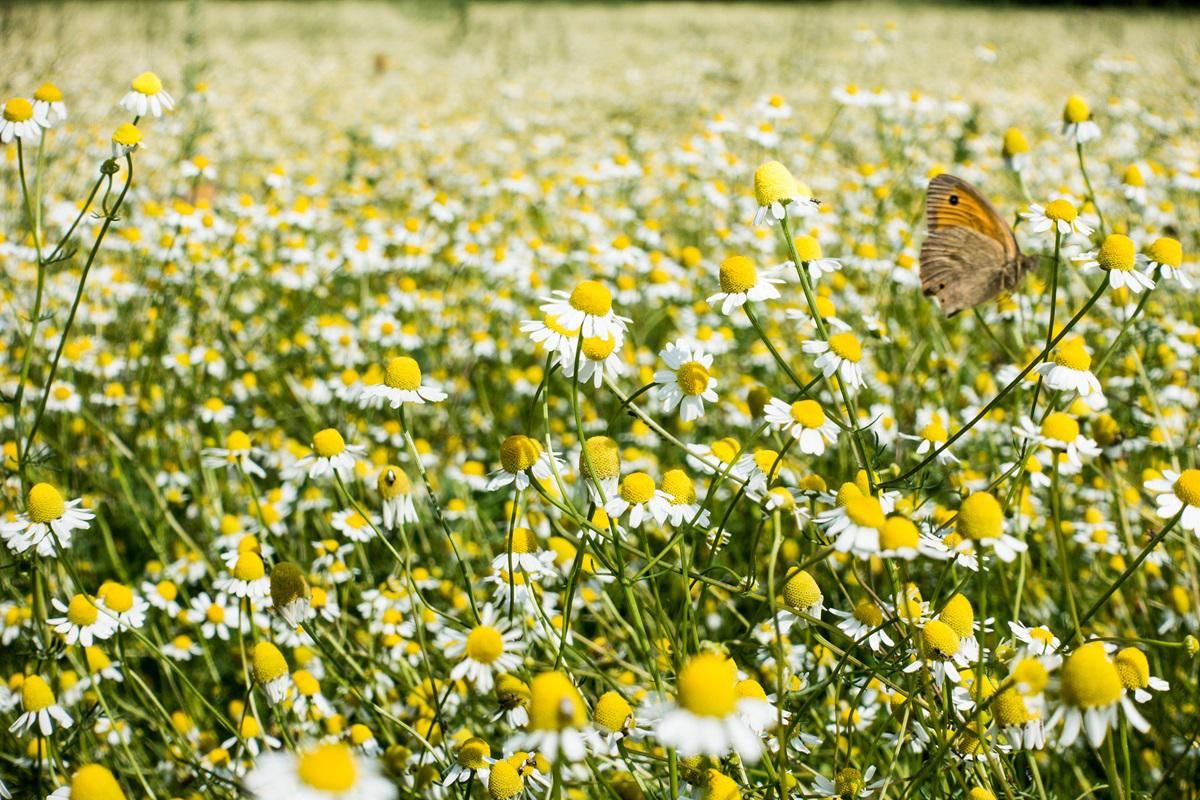
Nervine relaxants reduce nervous activity and facilitate muscular or mental relaxation — they tend to be calming, sedative, and soothing. Nervine relaxants, therefore, are medicines that have great value in treating individuals with anxiety, insomnia, stress, racing thoughts, or hyperactivity.1 Lemon Balm (Melissa officinalis), Chamomile (Matricaria chamomilla), Passionflower (Passiflora incarnata) and Limeflower (Tilia europaea) are all examples of nervine relaxants that are grounding and nurturing, alleviating stress, tension, and worry.2
Nervine stimulants increase the activity of the nervous system, increasing wakefulness and responsiveness. Herbs with these effects are perhaps not typically thought of as a nervines, but indeed they are. Some stimulant nervines share virtues with, and may also be described as, nootropics — a class of herbs that have had a recent surge in popularity thanks to their ability to enhance cognitive function: focus, attention, memory (Lion’s Mane (Hericium erinaceus) is an example of a nootropic).1,4 In our fast-paced, highly-caffeinated modern world, stimulant nervines are less commonly called upon by herbalists to treat their patients, quite the contrary; as the majority of individuals consume nervine stimulants of their own accord, not uncommonly in excess. Examples of nervine stimulants include Guarana (Paidlinia cupana), Kola nut (Cola acuinata), Yerba Mate (Ilex paraguayensis), Cacao (Theobroma cacao) and, of course, Tea (Camellia sinensis) and Coffee (Caffea arabica).1
Nervines also vary greatly in their strength, from mild to potent, influencing their suitability to different individuals according to their age, constitution and affliction. Chamomile (Matricaria chamomilla), for example, is a gentle nervine that is appropriate for children; whilst Hops (Humulus lupulus) is a relaxing sedative, with such effects that it should be avoided in cases of depression and in individuals taking sedative medication.
When seeking to employ herbs in the treatment of psychological and neurological conditions, it’s important to consider that the brain is not simply comprised of nerve cells, but also a great web of vasculature (blood vessels), essential for perfusing (supplying blood to) brain tissues. So, we too ought to consider herbs beyond the traditional confines of ‘nervine’ — those that promote cerebral circulation and support the integrity of blood vessels. Some such herbs include, Rosemary (Rosmarinus officinalis), Chilli (Capsicum spp.), Gingko (Gingko biloba), Ginger (Zingiber officinale), and Gotu Kola (Centella asiatica).5
Unlike modern pharmaceuticals, the effects of herbs are not singular — nervine herbs do not only affect a specific receptor, cell or even tissue, nor are they only nervines. Owing to their phytochemical complexity, instead herbs have a multiplicity of effects across various body systems. This gives each nervine its own nuanced application where it particularly excels. For example, Wood Betony (Stachys officinalis) is a nervine known for its efficacy as a remedy for headaches, yet also, as an antispasmodic (relieving muscle tension) and bitter, it is well-indicated for nervous dyspepsia. Motherwort (Leonorus cardiaca) lends itself well for individuals experiencing panic attacks in menopause, as in addition to its nervine qualities, it can regulate rapid heartbeat.2
Categorisation is a great means to facilitate understanding, yet it tends to be reductive. Amongst herbs classed as nervines, you will find herbs that heal wounds, ease indigestion, promote liver function, lower blood pressure and treat viral infections. Immense variety exists both within and beyond the definition of nervine, which reflects the complexity of this class of herbs as well as the system they have an affinity for. Not only is the nervous system complex and responsible for an unfathomable number of physiological functions, but its complexity also extends to its interactions with each of the other systems — cardiovascular, musculoskeletal, gastrointestinal, urinary etc. This nature of nervines, their effects and interactions reflect the nature of all herbs and our very own inner interconnectedness.
With the challenges of modern life exhausting and depleting our nervous systems, nervines are an incredibly valuable medicine to call upon, to nurture our emotional resilience and mental versatility. With such a rich array of herbs with an affinity for the nervous system, whether you are seeking to relax, ease worry, support sleep, alleviate stress or improve cognition, there is a nervine herb for us all to meet.
Explore our Products & Price List to learn more about the nervine products that we stock.
References
- Hoffmann, D. (2003). Medical herbalism : the science and practice of herbal medicine. Healing Arts Press.
- Hedley, C., & Shaw, N. (2023). Plant Medicine. Aeon Books.
- Bone, K., & Mills, S. (2013). Principles and Practice of Phytotherapy: Modern Herbal Medicine (2nd ed.). Edinburgh Churchill Livingstone, Elsevier.
- Pole, S. (2024, June 18). Herbs for the problems of mood and stress — Nervines, with Julian Barker. HerbCast.
- Mills, S. (2024, July 13). The brain as a vascular organ: Framing new herbal strategies for supporting the nervous system - Herbal Reality. Herbal Reality. https://www.herbalreality.com/herbalism/western-herbal-medicine/the-brain-as-a-vascular-organ-framing-new-herbal-strategies-for-supporting-the-nervous-system/