

Supplier Partnerships
TPI: Plants
Passionately organic, TPI are innovating with their farming methods — with detailed programmes for encouraging biodiversity, managing pests, tea bush health and soil fertility, always with tea quality and yield in mind.
Over the years, TPI has taken on estates in need of transformation, those suffering from poor production or exhausted from conventional farming methods and have imbued them with their values and aspirations, establishing organic farming practice and healing the land. Three of their gardens are now certified biodynamic and plans are in place for others to follow.
An ingrained principle of ecological balance is apparent from the many birds and insects that inhabit the gardens. This thriving abundance of biodiversity owing to how tea bushes are allowed to grow wild in long periods before harvesting, encourages the crops to integrate with the ecosystem. The scale and diversity of their composting techniques is quite extraordinary, beautifully overcoming the inability to rotate crops with perennial bushes, TPI’s tea gardens use cow manure (purchased from their tea workers) and vegetative matter to create vast quantities of compost sufficient to indulge their bushes in all the nutrients they need to flourish.
A major step to improve soil quality and consequently tea production at TPI has been agroforestry. Extensive deforestation for timber in hilly areas neighbouring the tea gardens has led to soil erosion and landslides. Consequently, farmers have introduced productive trees and nitrogen-fixing plants amidst the tea bushes — planting weeping love grass, Guatemala grass, Priotropis and Artemesia to hold and bind the soil together. These measures have helped rejuvenation of the water table, increased oxygen levels in the atmosphere, improved soil bacteria, increased biodiversity and improved productivity. Native Hoooong, Acacia, Chair and Mekai trees are interspersed between the tea bushes in gardens in Assam, and in Darjeeling, Neem and Pine, and Jungle wood trees in Seeyok and Orange trees in Selimbong. The addition of trees not only provides shade for the tea bushes, but fruit-bearing trees have increased wildlife immensely, with an array of species found in Chadwar — Wreathed Hornbill, Great Indian Hornbill, Jungle Myna, Rufous Necked Hornbill, Deers, Pygmy Hogs, Langurs. Parrots, Minivers, Robins, Magpies, Barbers.
Camellia sinensis
Camellia sinensis is an evergreen shrub from the Theaceae family with bright green glossy serrated leaves that blooms small white fragrant flowers in autumn. This plant is the source of all black, green, yellow, pu’erh, oolong and white teas. The plant performs best in partial shade in moist, acidic, well-drained and nutrient rich soil.
There are two main varieties of Camellia sinensis. Camellia sinensis assamica is native Assam, thriving in areas of low elevation and has large leaves. The second, the Chinese variety, Camellia sinensis var. sinensis, has smaller leaves and is more suited to colder climates. The tea plants grown in Darjeeling are of the Chinese variety due to greater altitude and lower temperatures.
Find out more about the tea varieties grown in each region below (click on the name of the tea garden for a full description).
Assam
Chardwar — the hot and humid weather coupled with heavy rainfall that this region experiences creates the ideal conditions for growing fine organic orthodox teas from the Assam and P-126A tea plants. Tea connoisseurs eagerly await the garden's classic Assam and flush that has golden tips and a deep malty flavour with a bright amber cup.
Banaspaty — the natural spring waters provide perfect conditions for the tea bushes to blossom and give them their unique characteristics. Grown from the original pure Assam hybrid variety of Camellia sinensis, Banaspaty produces brisk black and golden tippy orthodox tea.
Darjeeling
Samabeong — the rich soil in this region and spring waters from the Kolbong river provide a lush environment for the tea bushes to blossom and nurture the clonal AV-2 and and China tea plants that grow here. Samabeong produces some of the best clonal teas in Darjeeling that have an explosive and profound flavour profile. The slow growth due to cold weather conditions throughout the year, bring about this concentrated flavour. Samabeong is famous for its delicate tippy clonal teas, speciality teas like spring blossom, summer blossom, moon drops, silver tips, flower teas and speciality handcrafted teas.
Seeyok — this award-winning tea garden, added another accolade to its hat when it won the prestigious international 'Excellence at Origin' award, for the best Darjeeling First Flush tea in 2019. Beyond its high quality of teas, Seeyok is also known for its unique handmade teas such as the orange black tea, where the tea is enclosed for a few days in the shell of an orange fruit in order to let the flavours of the fruit seep into the tea. Soaking up the rich characteristics of the soil and the environment. Seeyok produces teas that have a unique palette of flavours and taste profiles ranging from fruity, floral notes during the First Flush to dark, woody muscatel flavours in the Second Flush.
Selimbong — tea connoisseurs worldwide eagerly await Selimbong's second flush teas every year. Teas from bushes planted by British owners are segregated and processed separately using special techniques which result in the special second flush flavour of Selimbong teas, known for a strong rich aroma with a woody muscatel flavour. It also produces a delicately flavoured autumnal tea and speciality teas such as sun tea, moon tea, silver tips and oolong.
Singell — although old and low yielding, heritage tea bushes planted by the British still produce the finest tea leaves, which makes up the majority of Singell’s produce. Teas from Singell are soothing and mellow golden with a unique muscatel flavour.
Snowview — Snowview produces Darjeeling black orthodox and green teas grown from the clonal and young China hybrid cultivar of Camellia sinensis.
Dooars
Putharjhora — lesser known Dooars teas share many similarities with Assam, both in terms of taste and quality. Grown from the Assam and young clonal variety of Camellia sinensis tea plant which include CP-I variety that is unique to Putharjhora, producing brisk, strong and smooth black and green orthodox teas with Elephant friendly certification.
To find out more about TPI teas available as stock items in quantities from 250g, take a look at our catalogue. Or to talk about bulk quantities of teas from this range direct from origin and order samples, please contact our sales team on +44(0)1823 401205, or email info@organicherbtrading.com.
Click here to go back to the Supplier Partnerships page.
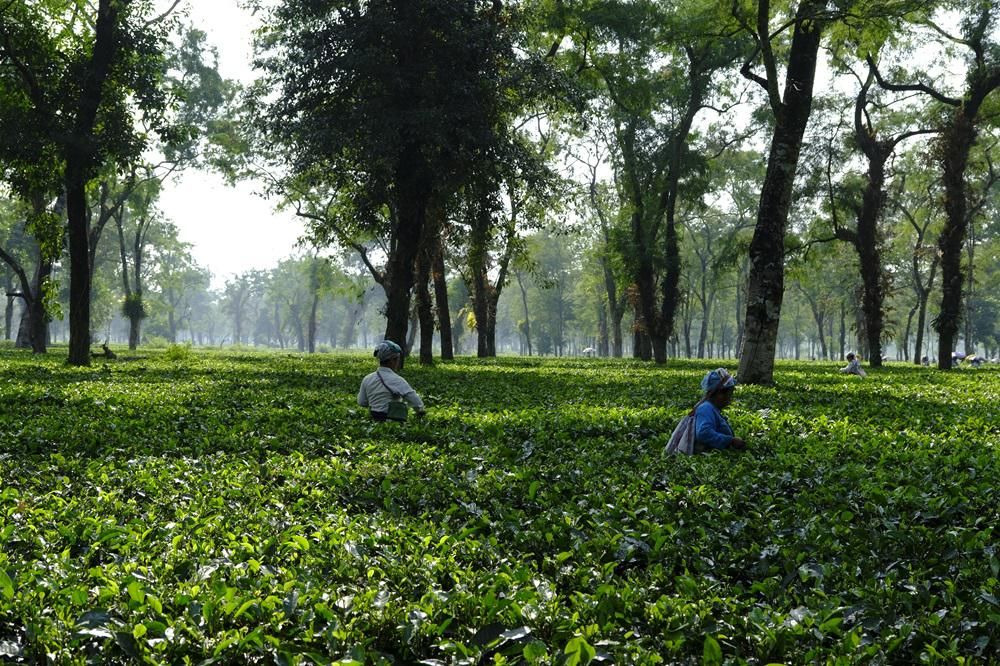
Putharjhora biodynamic tea garden
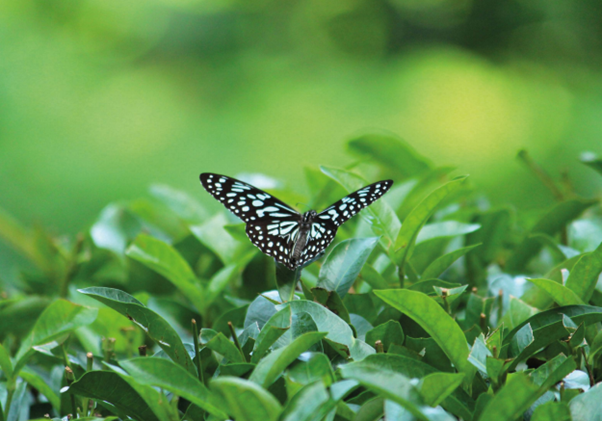
A Blue Jay Butterfly thriving in TPI's organic gardens (wildlife images courtesy of Satya Deep Gurung and Noel Fanning)
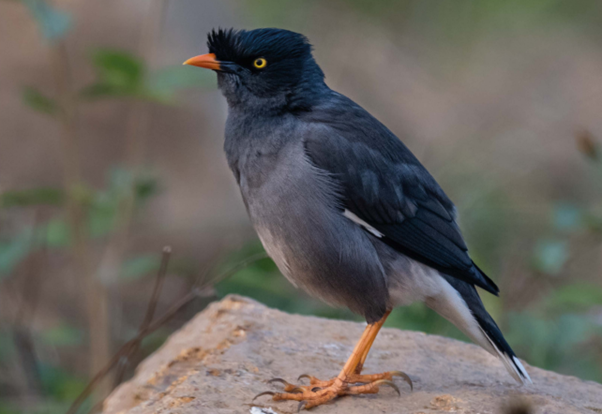
A Jungle Myna bird spotted in the Chardwar tea garden, Assam (wildlife images courtesy of Satya Deep Gurung and Noel Fanning)
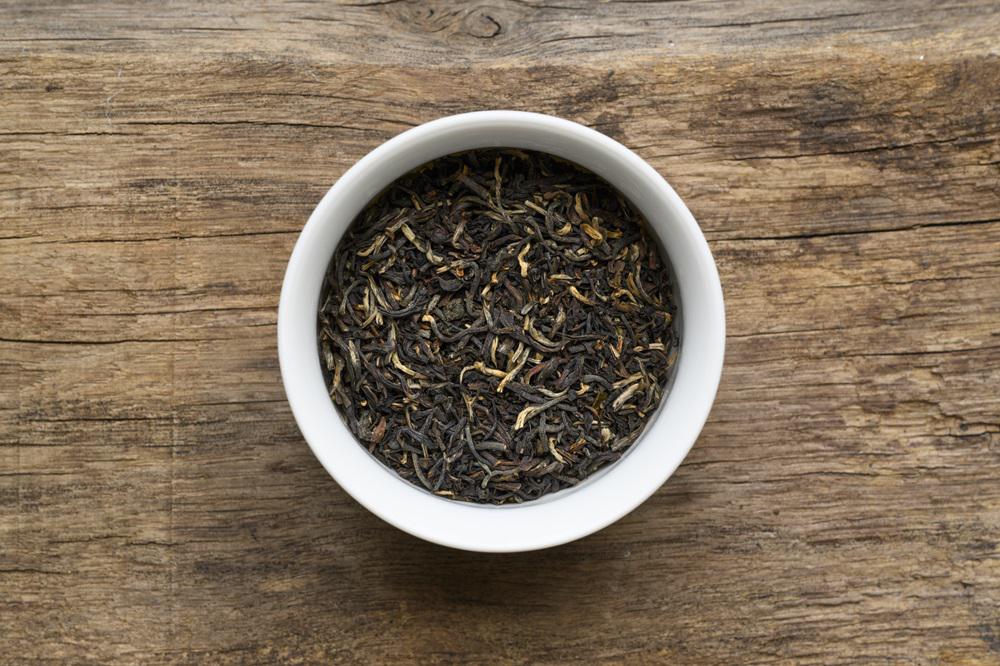
Assam Tippy Leaf speciality tea from the Chardwar Tea Garden